
Legendary Kumauni cuisine is a traditional Himalayan food culture rooted in the Kumaon region of Uttarakhand, India. Known for its simplicity, nutritional richness, and use of local ingredients, it reflects the heritage and lifestyle of the hill communities. Almora, one of the cultural hubs of Kumaon, preserves this culinary legacy through its authentic dishes, sweets, and seasonal cooking practices.
“Legendary Kumauni Cuisine & Almora’s Food Culture: A Delicious Journey”
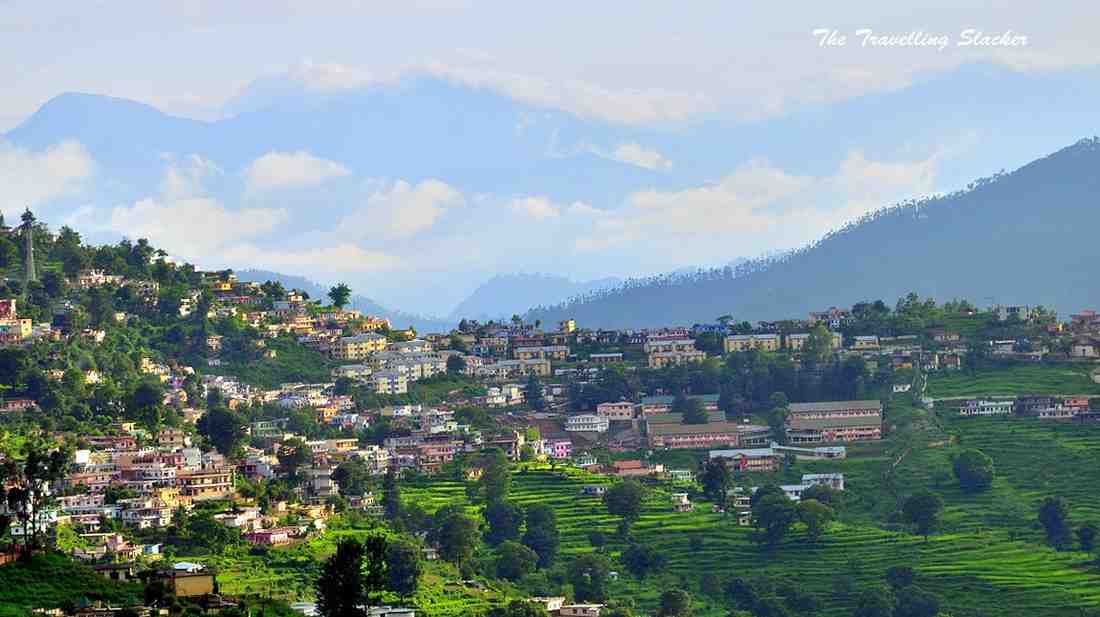
Legendary Kumauni cuisine is one of the oldest mountain food traditions of the Indian Himalayas, shaped by the lifestyle and environment of the Kumaon region in Uttarakhand. With Almora as its cultural centre, this cuisine reflects the rhythm of nature, the agricultural cycle, and the deep connection between people and the land. Rather than relying on heavy spices, Kumauni food highlights locally sourced grains, lentils, leafy greens, wild herbs, native spices, and dairy, creating flavours that are both earthy and nourishing.
Legendary Kumauni Cuisine & Almora’s Food Culture: A Delicious Journey
Nestled in the lap of the Himalayas, Almora is often celebrated for its sweeping views, ancient temples, and cultural richness. Yet for many travellers, the true soul of this charming hill town lies in its unique Kumauni cuisine. Rooted in tradition and shaped by a rugged mountain lifestyle, the food of Almora is simple yet deeply flavourful a reflection of the land and its people.
A Cuisine Built on Tradition
Kumauni food has evolved from centuries of living close to nature. Unlike the rich gravies of plains-based cuisines, the food here is built around locally grown grains, lentils, wild herbs, and seasonal produce. Every dish is designed to offer warmth, energy, and nourishment to people living in the hills. The flavours are subtle and earthy, relying not on heavy spices but on natural aromas and slow cooking.
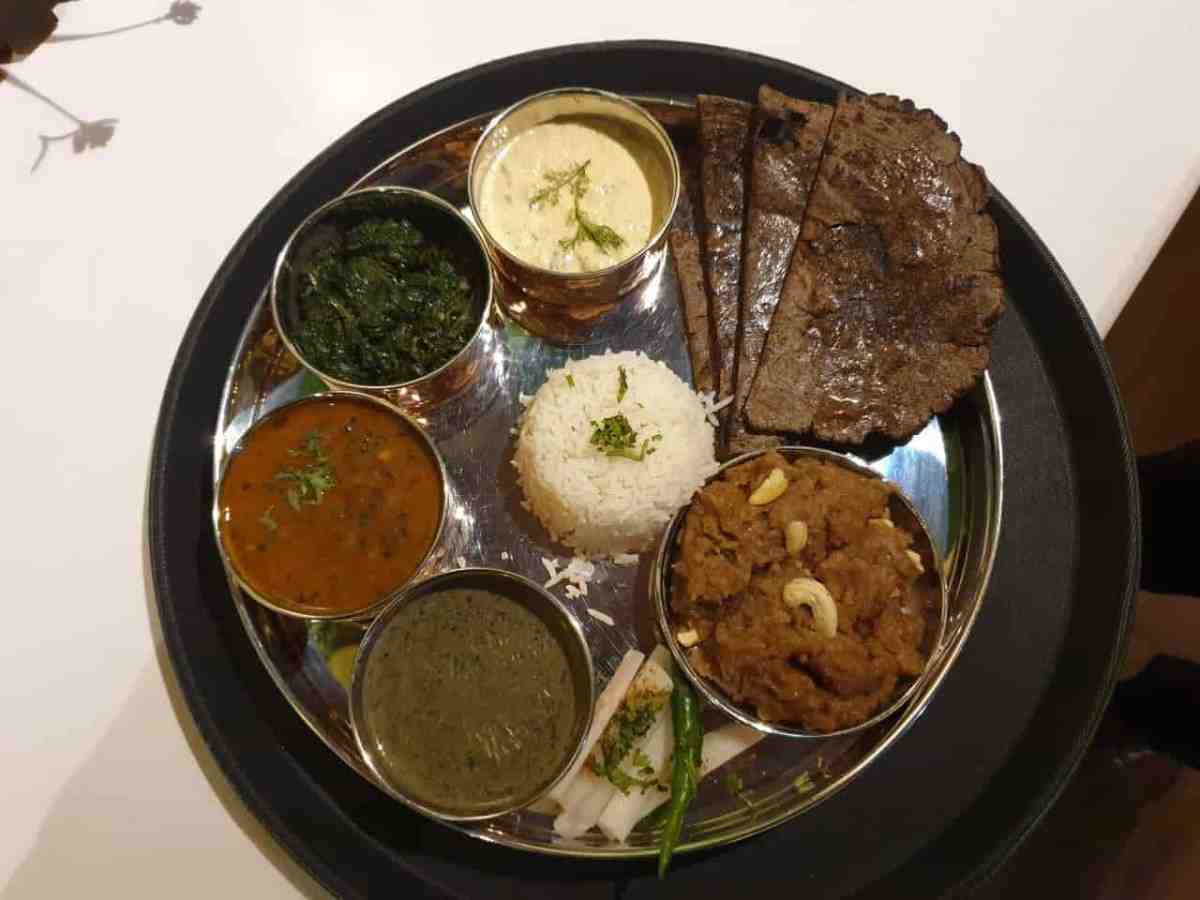
One ingredient that defines Kumauni cuisine is Bhatt, a traditional black soybean used in several regional dishes. In Almora households, Bhatt ki Churkani a comforting lentil curry remains a winter favourite. Rich in protein and cooked slowly with buttermilk and spices, it represents the core philosophy of the cuisine: wholesome and uncomplicated.
Flavours of the Hills
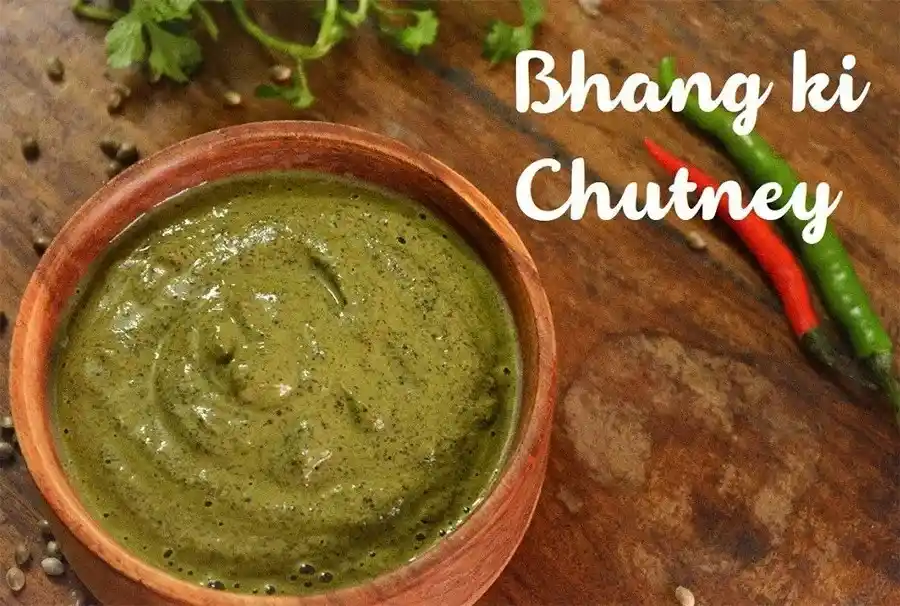
No exploration of Almora’s culinary world is complete without tasting its signature dishes. Aloo Ke Gutke, perhaps the town’s most beloved food, features potatoes tempered in mustard oil with red chilli and jakhiya seeds, served with hot bhang ki chutney. What sounds simple becomes extraordinary due to the distinct Himalayan ingredients that give the dish its rustic charm.

Another Kumauni classic is Jholi, a tangy curry made with curd and gram flour. Often paired with steaming rice, it is the ultimate comfort meal on a chilly mountain evening. Kappa a spinach-based gravy thickened with rice flour showcases the region’s creative use of greens grown on terraced farms. For those with an adventurous palate, Chainsoo, a deeply roasted urad dal preparation, surprises with a smoky aroma and bold texture a favourite in winter months.
Sweets That Tell a Story
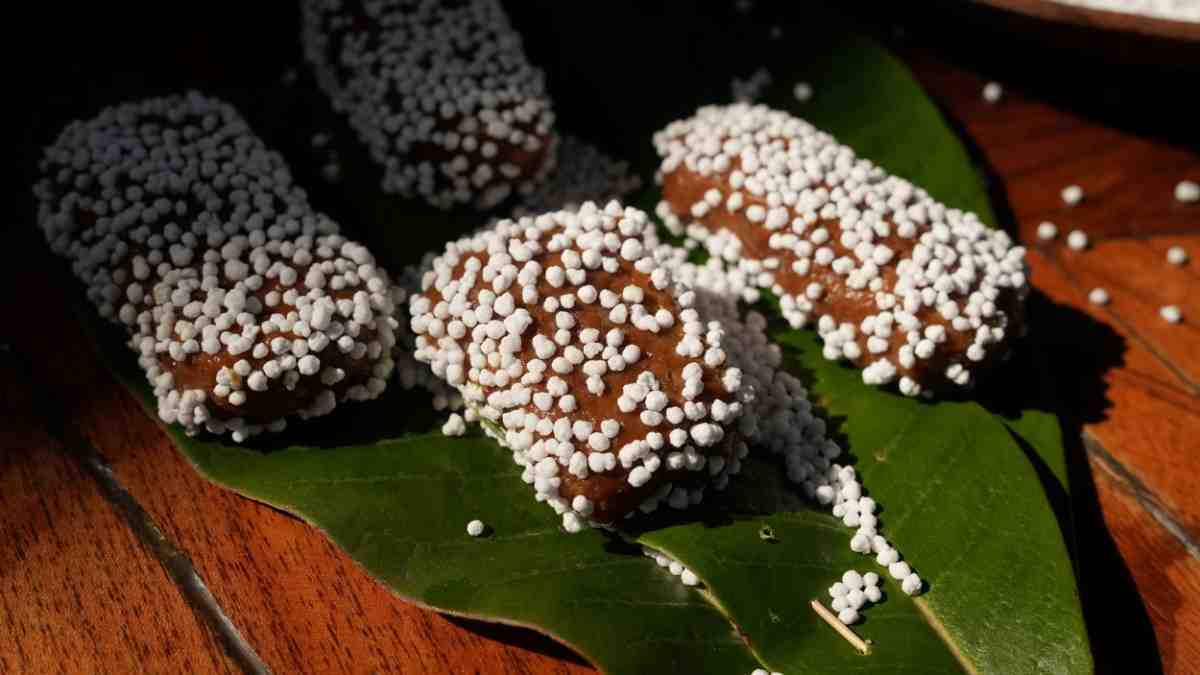
Almora is equally known for its legendary sweets, many of which have become culinary identities of the region. Bal Mithai, covered with sugar balls and made from khoya caramelized to perfection, is considered a must-taste. Equally delightful is Singodi, a cone-shaped sweet made of khoya wrapped in mallu leaves, imparting a natural fragrance that makes it irresistible. From festive gatherings to temple offerings, sweets have long played a role in preserving Kumauni identity and Almora remains their proud custodian.
Food as a Cultural Connection
In Almora, food is not merely prepared it is celebrated. Seasonal crops play a role in determining menus, and traditional dishes appear during festivals, family functions, or even community gatherings. For example, winter brings Urad Ke Pakode, Gahat Ke Parathas, and warming millet porridges, while summer plates feature Raita with cucumber or mustard leaf, and cooling sherbets made from buransh (rhododendron). Cooking is often a family activity, where recipes are passed down through generations. Every household, no matter how modern, carries memories of sitting around wood-fired stoves, rolling rotis of madua (finger millet) or preparing chutneys with stone-ground herbs. CLICKHERE TO ACCESS THE OFFICIAL LINK
The Modern Touch
Although Almora is evolving with cafes and contemporary restaurants, its food culture remains deeply rooted in tradition. Many eateries now serve authentic Kumauni thalis, allowing visitors to taste multiple regional dishes on a single plate. The new fusion trend blends Kumauni ingredients with global styles, highlighting how the cuisine continues to adapt without losing its essence.
A Journey to Savor
The culinary experience of Almora is more than what appears on the plate. It is about the mountains, the warmth of local hospitality, the freshness of ingredients, and the centuries-old respect for nature. Legendary Kumauni cuisine teaches that food can be both nutritious and soulful a quiet celebration of simplicity. For anyone visiting Almora, exploring its food culture is not just a recommendation it is a delicious journey into the very heart of Kumaon.


